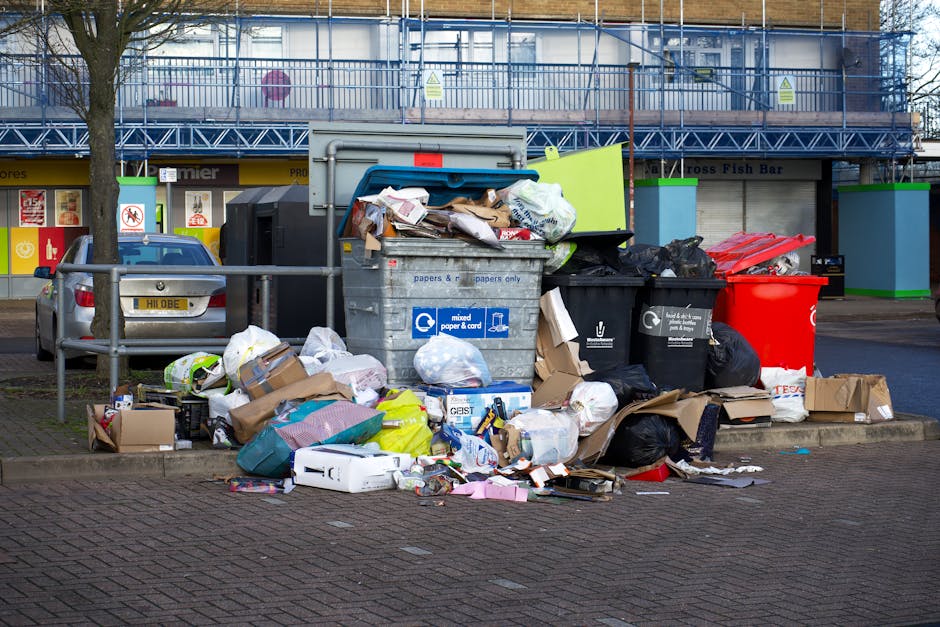
Business Waste Removal in Hornsey
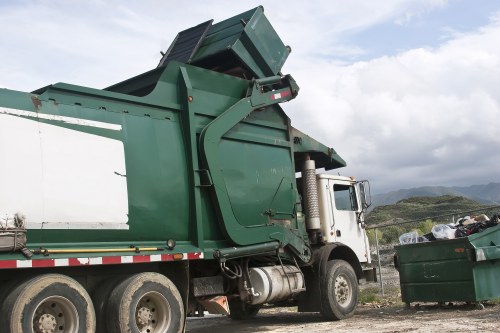
Business waste removal in Hornsey needs a service that is organised, dependable and suited to the way commercial premises actually work. Our focus is the collection and removal of business rubbish from offices, shops, hospitality sites, studios and shared workspaces, with the emphasis on sensible loading, tidy clearance and lawful disposal. We handle mixed commercial waste streams where appropriate, separate reusable or recyclable materials where possible, and keep the process straightforward for managers, tenants and contractors who need space cleared without disrupting the working day.
Commercial premises generate more than general black-bag waste. Packaging, office furniture, broken fixtures, redundant stock and end-of-life equipment can all build up quickly, so it helps to have a single removal route that can deal with varied items in one visit. We can assist with planned clearances and one-off collections, and we always aim to keep the work practical for the site, whether that means working around access limits, shared entrances or narrow loading areas. Choose the level of support you need, from straightforward uplift to a more involved clearance.
For a quotation, start by noting the main item types and the scale of the clearance. If you have photographs or a rough list, they can help describe the job clearly, but they are not essential for every enquiry. You can also use the service pages below to look at related clearance options before you decide what to include in the collection.
Commercial waste collections planned around your premises
Business waste removal works best when the collection plan matches the site rather than the other way around. That may mean removing items from a back room, reception, storage area or upper floor, or grouping several waste streams into one clearance so the premises are ready for the next stage of work. We can remove common commercial items such as desks, chairs, shelving, packaging, archive material, broken appliances and general rubbish that has accumulated during refits, moves or routine clear-outs.
Some jobs are best approached as a tidy phased clearance, especially where there are items to sort for retention, recycling or disposal. Others are simpler and only need a straightforward load-and-go collection. The right approach depends on access, the volume of material and the type of waste involved. If your premises need a particular focus, our related service pages can help you narrow the request and choose the most suitable route for your clearance.
Typical commercial collections
Useful collections often include a mixture of everyday and bulky items, especially where storage has filled up over time. Common requests can involve:
- office desks, task chairs and reception furniture
- cardboard, shrink wrap and palletised packaging
- shop fittings, display units and redundant stock
- archive boxes, paper waste and outgrown storage
- broken equipment, fixtures and general trade rubbish
Office and workplace clearances

Office waste removal often centres on mixed items that need careful handling rather than simple bulk loading. Workplaces may need old desks shifted out before new furniture arrives, archive material removed before file storage is restructured, or unwanted items cleared from meeting rooms, storage cupboards and open-plan areas. We can support those practical clearances where the main aim is to restore usable space without making the premises feel chaotic in the process.
Workplace collections also benefit from clear priorities. If some items are staying and others are going, it helps to separate the categories in advance so the collection can be carried out efficiently. That is particularly useful where there are documents, display materials, office equipment and ordinary rubbish in the same area. Orderly preparation saves time on site, but the work itself remains focused on removal, loading and disposal rather than on turning the office into a project.
When you are comparing options, think about whether the job is a simple furniture uplift, a broader office clear-out or a business waste removal visit that covers several item types at once. A clear description of the space and the contents will make it easier to match the service to the premises and provide an accurate quotation request.
Furniture, fixtures and bulky item disposal
Many commercial clearances involve bulky items that are no longer wanted but still occupy valuable floor space. Furniture disposal can include office seating, cupboards, tables, workbenches, counters and reception pieces, along with other large items that are awkward to move through a working building. Where items can be dismantled safely, that may help the collection proceed more neatly, though it is not always necessary if the access route and load size are manageable as they stand.
Fixtures and fittings can require a slightly different approach from loose waste. Some are attached to walls, counters or storage areas, while others are freestanding but heavy, awkward or made up of mixed materials. A sensible removal plan takes account of whether items need separating, whether they are suitable for reuse or recycling, and whether the building layout creates lifting or carrying limits. Not every bulky item belongs in the same category, so it helps to describe what is to be removed with as much clarity as possible.
For businesses that are replacing a worn-out fit-out or clearing space after a rearrangement, a targeted furniture collection can be the easiest option. If you also have packaging, paper waste or miscellaneous rubbish to remove, that can often be included in the same commercial clearance request rather than handled as a separate job.
About Hornsey
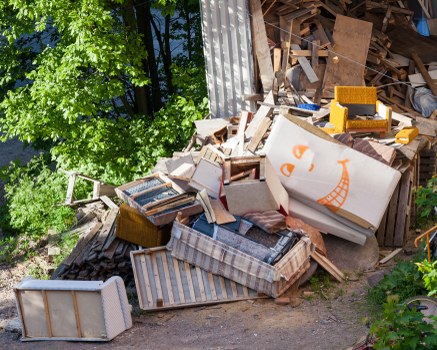
Hornsey is a district in the London Borough of Haringey, in north London, with a history shaped by its position on routes out of the City and by the growth of suburban housing and transport links in the nineteenth and twentieth centuries. The area includes a mix of residential streets, local shops and civic spaces, and it sits close to better-known neighbourhoods such as Crouch End and Alexandra Palace. Hornsey railway station opened in 1850, helping to link the district into the wider rail network and support later development. The local landscape still shows contrasts between older street patterns, later housing and the green edges of nearby parkland, giving the area a varied urban character rather than a single uniform centre.
Clearances for shops, hospitality and customer-facing sites
Retail and hospitality premises often generate waste in more varied forms than people expect. A shop may need old display units, damaged stock, packaging and back-room clutter removed before a refit or stock reset. A café, pub or restaurant may need broken furniture, redundant fittings, storage items or general rubbish cleared from cellars, kitchens, service rooms or customer areas. The aim is to remove the unwanted material neatly so the premises can stay focused on trading and preparation.
Customer-facing sites also benefit from a cautious approach to access and timing. Narrow entrances, shared corridors, service yards and busy footfall can all affect how a clearance is carried out. If items are to be taken from upstairs storage, basement rooms or areas with limited access, it is worth flagging that in the enquiry. We can then consider the practical route through the building and the best way to load the waste without causing unnecessary disruption to staff or visitors.
If the premises are being refreshed rather than emptied, a small collection may be enough; if stock, fittings and rubbish are all involved, a broader business waste removal visit may be more efficient. Tell us what must go first, and we can help shape the request around the actual job rather than a generic clearance.
Waste from moves, refits and changing premises
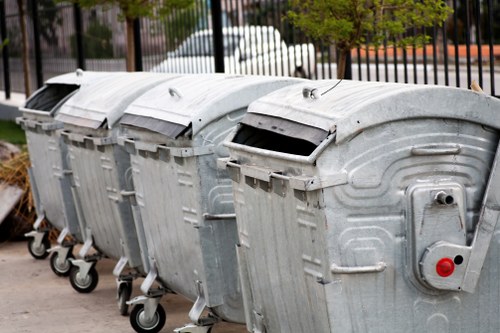
Business changes often produce waste at the same time as they produce opportunities. Moves, refurbishments and reorganisations can leave behind old furniture, outdated equipment, packaging, strips of damaged material and mixed rubbish that is awkward to leave on site. Clearing these items promptly can help the next stage of work proceed more smoothly, whether the building is being vacated, reoccupied or adapted for a different layout.
It is useful to think of this type of clearance in stages. One stage might involve removing loose rubbish and packing waste; another might deal with furniture and equipment; a third might handle heavier or more awkward items. That structure can help where the premises are partly occupied or where different contractors are working to a schedule. If you are gathering details for a quotation, a simple list of the main rooms or item groups is often enough to begin with.
Some clients prefer a single collection that covers as much as possible, while others want to separate items for retention, sale, relocation or disposal. Either approach can work, provided the scope is clear. The main thing is that the request describes the work honestly so the collection can be planned sensibly and the waste taken away in the right way.
Recycling, sorting and disposal options
Commercial waste removal is not only about lifting items away. It also involves handling different materials with appropriate care so that recyclable material can be separated where possible and non-recyclable waste is dealt with properly. Cardboard, metal, timber, some plastics and reusable office items often need different treatment from general rubbish, and mixed loads may require sorting once the collection has been made. That is one reason why the item list matters: it helps the disposal route reflect what is actually being removed.
Where a business has several waste types in one area, a clear breakdown can prevent confusion. For example, office paper, old shelving and unwanted appliances may all be present in the same clearance, but they are not identical from a handling perspective. We can discuss the right route for the load and explain how the collection is likely to be managed. That is particularly useful when a premises manager needs to decide whether to combine everything or split the work into separate visits.
For customers comparing providers, it is sensible to ask how the load will be described, separated and removed. Good planning makes a difference to the efficiency of the job and to the clarity of the quotation. A practical service should feel organised from the first conversation, not just at the point of collection.
Preparing a business waste quotation
 A quotation request is easiest to handle when it includes the essentials: what needs removing, where it is located, whether access is straightforward and whether the clearance must happen as a single visit or can be split. Photographs can be helpful, but a written description can also be enough, especially if the job is small or the waste is easy to identify. If there are time limits, loading restrictions or access arrangements, note those clearly so the estimate reflects the real conditions of the site.
It also helps to say whether the items are mixed, bulky, dismantled, bagged or stacked, because the shape of the load affects how it can be removed. A business waste removal job involving only light bags will be approached differently from one that includes office furniture, shop fittings or appliances. If you are uncertain which service page is the closest fit, the service options here are designed to help you compare them before you ask for a price.
When you are ready, use the information you have already gathered to request a quotation. If the collection is urgent, or if it is part of a move or refit, mention that in plain terms. For a clear next step, send the details now and ask for a business waste collection quote.
Business waste removal for larger and mixed-load clearances
Some commercial jobs do not fit neatly into one category. They may combine office waste, furniture, packaging, archive material and general rubbish from different rooms or floors. In those cases, a mixed-load clearance can be more practical than arranging several separate visits. The right approach depends on how the materials are distributed, whether anything needs to stay on site and whether there are access constraints that affect lifting and loading.
Mixed loads are common during internal moves, stock changes and refurbishment work. A storage room might hold broken furniture next to old files, while a back office contains packaging, redundant equipment and a few remaining items to keep. A single organised clearance can help draw those strands together without forcing the client to coordinate multiple smaller removals. That is especially useful when the business wants the work completed in a clear sequence and with limited disruption.
If you are planning a larger clearance, it is worth identifying the main item groups before you ask for a quote. That way the service can be matched to the load rather than to an estimate based on guesswork. The better the description, the better the fit, and the easier it is to move from enquiry to collection with confidence.
Offices, shared workspaces and storage areas
Shared workspaces and compact offices often build up hidden waste in cupboards, under desks and along storage walls. Old monitors, spare chairs, redundant files, damaged accessories and mixed packing materials can all sit in the background until the space starts to feel overfull. A targeted collection can help remove those items in one go, leaving the remaining furniture and equipment easier to use and easier to manage.
Storage areas are another common source of commercial waste, especially where stock rotation, seasonal changes or office reorganisations leave surplus material behind. It is often more efficient to clear a storage space properly than to keep moving the same items from one corner to another. If the room contains both keep and remove items, separating them before the visit will make the collection simpler and reduce the risk of anything being taken away by mistake.
Business waste removal in Hornsey is therefore best understood as a practical service for keeping premises usable, whether the property is a small office, a shared suite or a business with several back-room areas. The job can be focused on one room or spread across the site, as long as the scope is described well and the collection plan suits the way the premises operate.