Health & Safety Policy — Business Waste Removal Hornsey
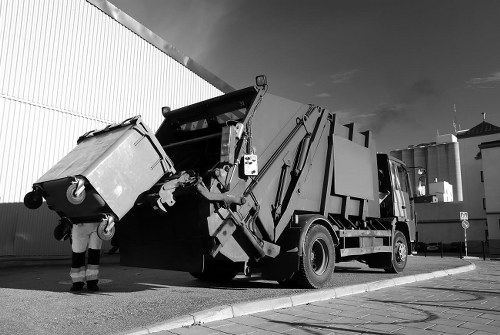 This Health and Safety Policy sets out the commitment of our business waste removal team to protect employees, clients and the public across our rubbish company service area. The policy applies to all commercial waste collection, skip hire and waste removal Hornsey activities carried out on behalf of customers. Its purpose is to define clear responsibilities, identify hazards and describe controls so that safe systems of work are consistently applied. The policy supports legal compliance and promotes a culture of safety and continuous improvement.
Management is committed to providing the resources necessary to deliver safe business waste services, including adequately maintained vehicles, appropriate personal protective equipment and competent staff. Senior management will ensure that risk assessments are undertaken for each type of job, that safe operating procedures are available, and that training is provided and recorded for all operatives. Everyone working for the company has a part to play: cooperation, reporting hazards and following instructions are essential obligations.
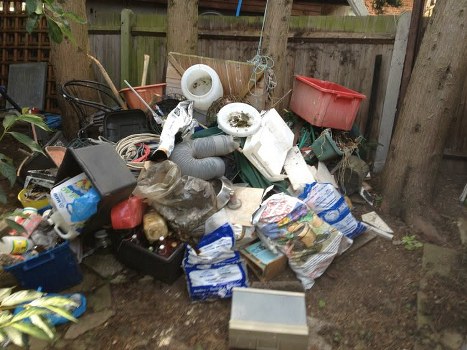 Risk assessment and planning underpin all commercial rubbish collection operations. Before work begins each site is surveyed to identify site-specific hazards such as uneven surfaces, overhead obstructions, confined spaces, sharps, hazardous substances and likelihood of manual-handling incidents. Controls will include task-specific assessments, segregation of hazardous loads, use of mechanical aids, and the application of exclusion zones for public safety. The company applies the hierarchy of controls: eliminate hazards where possible, substitute, implement engineering and administrative controls, and provide appropriate PPE.
Operational Controls and Safe Systems
Safe working procedures for waste collection, bulky waste removal and commercial clearance are documented and regularly reviewed. Drivers and loaders must follow explicit loading and restraint procedures to prevent shifting loads. Vehicle checks are mandatory at the start and end of each shift, and any defects are reported immediately using the company defect reporting process. Work schedules are planned to avoid long hours that could increase fatigue risks during rubbish collection rounds.
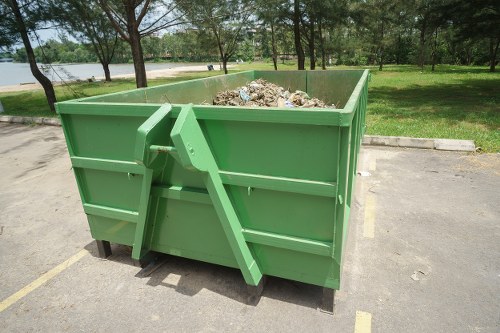 Key controls implemented across the waste removal service include:
- Clear task-specific risk assessments and method statements for complex jobs
- Mandatory PPE: hi-vis, gloves, steel-toe boots, eye protection and respiratory protection where indicated
- Mechanical lifting aids and team lifting protocols to reduce manual-handling injuries
- Segregation and labelling of hazardous wastes and use of specialist disposal routes
- Traffic management at sites and use of banksmen/spotters during vehicle manoeuvres
Contractors and sub-contractors engaged to support commercial clearance operations are required to work in accordance with this policy and to provide evidence of their competence. Sub-contractor induction includes explanation of site-specific arrangements, emergency procedures and waste transfer documentation requirements for lawful disposal.
Training, Incident Response and Continuous Improvement
 Training is fundamental to safe performance. All operatives receive induction training, on-the-job coaching and refresher courses relevant to the duties undertaken by this rubbish company. Topics include manual handling, safe vehicle operation, hazardous waste awareness, use of PPE and infection control when dealing with contaminated waste. Training records are maintained and reviewed during supervisory checks.
Emergency preparedness covers spill response, fire, first aid and incidents involving hazardous materials. There are clear reporting lines for accidents and near-misses; all incidents are investigated to identify root causes and corrective actions are implemented to prevent recurrence. Where medical attention is required, trained first-aiders are available and procedures ensure rapid access to emergency services. The company emphasizes a no-blame reporting culture to encourage prompt notification of hazards.
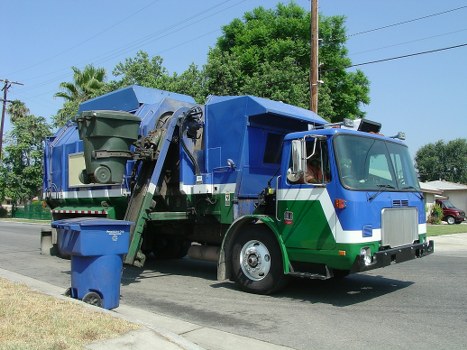 Vehicle and site safety are continuously monitored through routine audits and spot checks. Supervisors perform random inspections of collections, ensuring compliance with loading limits, proper use of vehicle restraints and adherence to route risk assessments. Waste streams that present elevated risks, such as asbestos-containing materials, solvents or sharp medical waste, are handled only by qualified personnel using approved containment and disposal pathways. The company will not accept loads that contravene legal requirements or that present unmitigable hazards on arrival.
Performance metrics are recorded and reviewed at management meetings to drive continuous improvement. Key performance indicators include incident rates, near-miss reporting frequency, audit scores and training completion rates. Findings from reviews inform updates to procedures, investment in safer equipment and targeted training programmes. This health and safety policy is live and will be revised whenever significant changes occur in operations, legislation or following serious incidents.
Responsibilities: Management will lead implementation and resourcing of the policy; supervisors will ensure compliance on the ground; employees and contractors must follow instructions and report unsafe conditions. Everyone is empowered to stop work if they believe there is an immediate risk to health or safety during a commercial waste collection or other service activity.
By following this policy, the company affirms its commitment to safeguarding people, protecting the environment and delivering reliable, lawful commercial waste removal and rubbish collection services in the service area. The policy will be reviewed at least annually and revised as necessary to maintain its effectiveness and to reflect best practice and regulatory changes.
