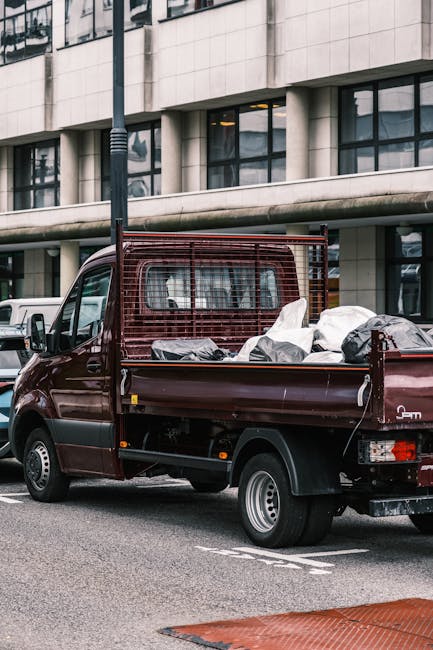
Alexandra Palace bulky waste removal and reuse options

If you are trying to clear a sofa, mattress, broken wardrobe, old appliances, or a pile of mixed household junk in Alexandra Palace, you are probably juggling two thoughts at once: how do I get this gone quickly, and can any of it be reused instead of thrown away? That's the real heart of Alexandra Palace bulky waste removal and reuse options. The best approach is rarely just "load and dump". It is usually a small decision tree: what can be donated, what can be repaired, what must be recycled, and what needs a careful disposal route.
This guide walks through the practical side of bulky waste in the Alexandra Palace area, including reuse pathways, clearance methods, legal and safety considerations, and how to avoid common mistakes. It is written for people who want a clear plan, not a lecture. Let's face it, when a hallway is blocked by an old bed base, you want answers, not noise.
Why Alexandra Palace bulky waste removal and reuse options Matters
Bulky waste is different from the small stuff. A single armchair, a chest of drawers, a fridge, or a damaged wardrobe can take up more space than a week's worth of bin bags. In a busy home, flat, office, or rental property near Alexandra Palace, that can quickly turn into a real inconvenience. Doors get blocked. Stairs become awkward. The place starts to feel cluttered, and clutter has a habit of spreading.
The reuse part matters just as much. Not everything bulky is automatically rubbish. A solid table, a near-new sofa, office chairs, storage cabinets, and even some appliances may still have life left in them if they are clean, safe, and structurally sound. Reuse is often the better first question. If an item can be passed on, sold, repaired, or donated, that usually reduces waste and can save money too.
There is also a local practical angle. Around Alexandra Palace you have a mix of Victorian terraces, converted flats, mansion blocks, and busy mixed-use streets. That means access can be fiddly. Narrow staircases, limited parking, shared entrances, and time-sensitive move-outs all make bulky waste clearance a bit more involved than people expect. It sounds simple until you are carrying a wardrobe down two flights of stairs at a bad angle. Then, well, not so simple.
Good bulky waste planning protects the property, respects neighbours, and keeps reusable items out of the disposal stream where possible. If you are also dealing with broader clearance needs, it can help to look at wider services such as home clearance, house clearance, or flat clearance so the job is handled in one clean sweep.
How Alexandra Palace bulky waste removal and reuse options Works
The process is usually a mix of assessment, sorting, lifting, transport, and destination matching. In plain English: first decide what you have, then work out what can be reused, then move the rest through the correct disposal route.
Here is the practical sequence most people follow:
- Identify the bulky items. Make a short list. Sofas, beds, wardrobes, desks, white goods, shelving, old carpets, and similar large items should all be noted separately.
- Separate reuse from disposal. Items that are clean, functional, and safe may be suitable for resale or donation. Heavily damaged, dirty, water-stained, or broken items usually are not.
- Check special categories. Fridges, freezers, mattresses, electronics, and anything potentially hazardous may need a specific handling route. For example, appliance disposal is not the same as general furniture clearance.
- Plan access. Measure doorways, think about stair turns, and check parking. A clearance that looks easy from the living room can become awkward in a hallway.
- Choose the method. You might use a self-managed reuse route, a skip, a van-based clearance, or a mixed approach.
- Load and sort responsibly. Reusable items should be kept separate from scrap and mixed waste where possible.
- Send each item to the right destination. Reuse, recycling, recovery, or disposal should match the condition and material of the item.
If you are clearing furniture specifically, it is worth comparing furniture clearance and furniture disposal. Those pages reflect the difference between items that might be recovered and items that truly need to go.
One thing people often miss: bulky waste is not just about size. It is about handling risk, condition, and end-of-life destination. A bulky item that is reusable in one home may be waste in another, simply because of hygiene, damage, or missing parts. That judgement matters.
Key Benefits and Practical Advantages
A sensible bulky waste and reuse plan gives you more than an empty room. It can make the whole space easier to use, safer to walk through, and far less stressful to manage.
- Less clutter, faster progress: once large items go, everything else becomes easier to sort.
- Lower waste volume: reuse and recycling can reduce what ends up as general rubbish.
- Better value: some items may have resale or donation value, even if only modest.
- Cleaner handover: landlords, agents, and buyers usually prefer a clear, presentable property.
- Safer access: removing bulky obstacles reduces trip hazards and makes cleaning simpler.
- Less heavy lifting stress: not every sofa should be manoeuvred by a couple of friends and a hopeful attitude.
There is also a sustainability benefit. Reuse is often the best outcome because it keeps the original product in circulation for longer. Recycling comes next, and disposal comes last. That order is worth remembering.
For people with mixed items, a broader waste removal service can be the tidy option, while specialist routes such as mattress and sofa disposal or fridge and appliance removal make more sense for specific bulky items that need extra care.
Who This Is For and When It Makes Sense
This kind of clearance is useful for a lot of people, not just those doing a full house empty. In practice, the most common situations are fairly ordinary.
- Homeowners replacing old furniture or clearing a spare room.
- Tenants who need to leave a flat tidy at the end of a tenancy.
- Landlords and letting agents dealing with abandoned items after a move-out.
- Families sorting through inherited belongings where some pieces may be reusable.
- Office managers replacing desks, chairs, filing units, or equipment.
- Tradespeople finishing a refurbishment and left with awkward oversized waste.
- People downsizing who simply have more large items than the next home can hold.
It makes sense when a few bulky items are causing a disproportionate amount of friction. Maybe the spare bedroom is full of old wardrobes. Maybe a broken bed frame has been leaning against the wall for three months. Maybe the garage is so packed you cannot open the boot properly. That's the point where action starts to feel like relief.
For business premises or mixed-use buildings, office clearance and even business waste removal can be more suitable than treating everything as household waste.
Step-by-Step Guidance
Here is a straightforward way to handle bulky waste in Alexandra Palace without making it more complicated than it needs to be.
- Walk the space and list everything bulky. Don't rely on memory. It is easy to forget the broken desk in the corner or the old filing cabinet under a cover sheet.
- Sort items into three piles: reuse, recycle, and dispose. If in doubt, keep doubtful items separate until you can assess them properly.
- Check condition honestly. A slightly tired table may be reusable. A waterlogged sofa with a smell, not so much.
- Measure access routes. Doorways, stair bends, lift size, and entrance width all matter. This is especially true in flats.
- Think about timing. Try to avoid collection moments when the building is busiest, like school-run hours or peak delivery times.
- Choose the right collection method. If you have lots of mixed bulky items, a full clearance may be easier than piecemeal trips.
- Set aside reusable goods early. Keep them clean and dry. If you are going to donate or sell something, small presentation details matter a lot.
- Get an accurate quote. Describe the items clearly so the collection plan matches the real job, not a best guess.
- Ask where the items will go. A reputable service should be able to explain reuse, recycling, and disposal routes in simple terms.
A small but useful detail: remove drawers, detach legs where possible, and empty cupboards before collection day. It saves time and avoids the slightly awkward moment when a heavy cabinet turns out to be secretly full of books and a charger from 2019.
Expert Tips for Better Results
In our experience, the best bulky waste clearances are the ones where the decision-making happens before the lifting starts. A little thought upfront usually saves a lot of faff later.
- Prioritise reusable items first. If something still works, get it out of the waste stream before the rest of the clearance is planned.
- Group items by material or type. Wood, metal, textiles, and appliances often need different handling routes.
- Leave a clear path. It sounds obvious, but a hallway cluttered with smaller bits can slow the job down more than the big item itself.
- Take a few photos before booking. A good visual helps avoid misunderstandings about volume and access.
- Keep fragile or sharp items separate. Broken glass, metal edges, and splintered wood can create avoidable risks.
- Consider seasonal pressure. Late summer and pre-move periods can get busy, so booking earlier is often smarter.
If you are clearing a loft, garage, or garden alongside bulky items, combining the work can be efficient. Services like loft clearance, garage clearance, and garden clearance are often a better fit than handling each space separately.
Another small tip: don't let perfect be the enemy of useful. An item does not need to be showroom-ready to be reused, but it does need to be safe, clean, and genuinely serviceable. There is a line there.
Common Mistakes to Avoid
Bulky waste jobs tend to go wrong in a few predictable ways. None of them are dramatic, but they are annoying, and sometimes expensive.
- Assuming everything can be reused. Sentiment is not the same as condition.
- Mixing hazardous or special waste with general items. Some products need separate handling.
- Underestimating access issues. A wardrobe that fits in the room may still be impossible down the stairs as one piece.
- Ignoring mattress, fridge, or appliance rules. These often need specialist treatment.
- Leaving sorting until collection day. This slows everything down and can make reuse decisions rushed.
- Booking on price alone. Lowest cost is not always best if the service is unclear about sorting or destination.
Another common one is forgetting to ask about reuse or recycling before the clearance starts. If that matters to you, say so early. It changes how the job is planned, and it may change what gets saved.
Truth be told, the most expensive mistake is often not disposal itself, but time wasted because the wrong items were bundled together. That's the bit people only realise afterwards.
Tools, Resources and Recommendations
You do not need fancy equipment to make a bulky waste job easier. A few basic tools and a little organisation go a long way.
- Measuring tape: useful for doors, lifts, stair gaps, and furniture dimensions.
- Marker labels or tape: helps separate reuse, recycle, and dispose piles.
- Heavy-duty gloves: sensible for moving awkward or rough-edged items.
- Dust sheets or old blankets: good for protecting floors and walls during lifting.
- Camera phone: quick photos make quoting and planning easier.
- Basic dismantling tools: sometimes removing legs or panels makes an item manageable.
From a service perspective, the most useful pages to review are those that explain what happens to different item types and how the business handles reliability and security. For example, the company's recycling and sustainability guidance is a useful read if you care about where recovered material ends up, while pricing and quotes is a sensible place to understand how bookings are usually assessed.
If the job includes paperwork, old files, or archive material alongside bulky items, confidential shredding may be worth considering so sensitive material is dealt with properly.
Law, Compliance, Standards, or Best Practice
In the UK, bulky waste removal is not just a practical task; it also sits within a wider duty to handle waste responsibly. You do not need to become a compliance expert to get this right, but it helps to know the broad principles.
Best practice usually means:
- checking that waste is handled by a responsible carrier or service provider;
- keeping reusable items separate from items destined for disposal where possible;
- treating special categories carefully, especially appliances or potentially hazardous materials;
- avoiding fly-tipping or handing items to unknown operators who cannot explain where waste goes;
- using proper lifting and safe working methods to avoid injury or damage.
Hazardous items are the most obvious area where caution matters. Anything flammable, corrosive, chemical, or otherwise risky should be isolated and handled through the correct route. The same goes for heavy appliances that may contain materials or components requiring specific treatment. If in doubt, it is better to ask before moving it.
Health and safety is not just a corporate box-tick. A bad lift can injure someone in seconds. A scratched wall is annoying; a damaged back is something else entirely. For that reason, reviewing a provider's health and safety policy and insurance and safety approach is sensible before you book.
Where household items are involved, the general rule is straightforward: keep the good stuff in circulation, recycle what can be recycled, and dispose of the rest properly. Simple in theory. A bit more effort in practice, yes, but worth it.
Options, Methods, or Comparison Table
There is no one-size-fits-all answer. The best method depends on the condition of the items, how much you have, and how quickly you need the space back.
| Method | Best for | Reuse potential | Practical notes |
|---|---|---|---|
| Reuse and donation | Clean, usable furniture and household items | High | Best when items are in good condition and easy to pass on |
| Sell privately | Desirable items with market value | High | Can take time, photos, messages, and collection coordination |
| Van-based bulky waste removal | Mixed loads, awkward access, fast clearances | Medium | Good for same-day or scheduled collection when items need sorting |
| Skip hire | Ongoing DIY or renovation waste | Low to medium | Useful for bulk volume, but less flexible for reuse separation |
| Specialist item disposal | Mattresses, sofas, fridges, appliances, hazardous waste | Low | Better when items need specific treatment or handling |
If you are wondering what a skip can take, it is worth checking what can go in a skip before assuming it suits your load. Sometimes it does; sometimes it really doesn't.
For building work or renovation leftovers around bulky items, builders waste clearance can sit alongside furniture or household clearance in a more structured plan.
Case Study or Real-World Example
Imagine a two-bedroom flat near Alexandra Palace with a loft-style storage area, a tired sofa, a broken desk, two wardrobes, and an old fridge. The occupants are moving out at the end of the month. The goal is not just to empty the property, but to avoid wasting anything still useful.
The first step is to inspect the items honestly. The sofa is sagging and stained, so it is unlikely to be reusable. The wardrobes are sturdy but oversized, and one has a damaged back panel. The desk is sound enough for a second life. The fridge, while old, may need specialist removal rather than general furniture handling.
So the plan becomes:
- set the desk aside for reuse or recovery;
- separate the wardrobes for dismantling and recycling of materials where possible;
- route the sofa through proper disposal;
- arrange appliance handling separately;
- clear the loft storage at the same time to avoid a second booking later.
What happens next is pretty normal: the path is cleared, reusable items are protected, and the rest is loaded in a way that keeps the job efficient. The flat is left ready for handover, and one useful desk lives on elsewhere. Small win, but a real one.
That is what good Alexandra Palace bulky waste removal and reuse options should feel like: orderly, calm, and a bit more thoughtful than just "get rid of it".
Practical Checklist
Use this before collection day. It keeps things moving and reduces last-minute surprises.
- List every bulky item clearly.
- Separate reuse, recycle, and disposal items.
- Check whether anything is hazardous, sharp, or electrically special.
- Measure doors, stairs, lifts, and entrances.
- Clear a route through the property.
- Remove loose contents from furniture and cupboards.
- Take photos for planning and quoting.
- Confirm collection timing and access arrangements.
- Ask where reusable and recyclable items are likely to go.
- Review relevant service details such as payment and security if you want confidence about how the booking is handled.
Expert summary: the most effective bulky waste projects are the ones where reuse is considered first, access is checked early, and the removal method is matched to the actual items, not the other way round.
Get a free quote today and see how much you can save.
Conclusion
Alexandra Palace bulky waste removal and reuse options are really about making a sensible decision at each step. Some items deserve a second life. Some need recycling. Some need specialist disposal. When you sort them properly, the whole job gets simpler, cleaner, and usually less wasteful too.
If you are facing a tight move-out, a bulky mix of furniture, or an awkward clear-out with limited access, the best next step is to plan the route before the lifting starts. That tiny bit of structure can save a surprising amount of time and stress. And honestly, once the clutter is gone, the room feels different straight away. Lighter. Easier. More yours again.
Take it one item at a time, and it becomes manageable. That's the real trick.
Frequently Asked Questions
What counts as bulky waste in Alexandra Palace?
Bulky waste usually means items that are too large for normal household bins, such as sofas, mattresses, wardrobes, desks, fridges, tables, and other oversized household or office items.
Can bulky items be reused instead of thrown away?
Yes, if they are clean, safe, and structurally sound. Furniture, some appliances, and storage items may be reusable, but heavily damaged or unhygienic items usually are not.
What is the difference between bulky waste removal and furniture disposal?
Bulky waste removal is broader and can include many large items, while furniture disposal focuses specifically on items like beds, sofas, chairs, cabinets, and tables.
Do I need to separate reusable items before collection?
It is strongly recommended. Separating reusable items early helps ensure they are not mixed in with waste and gives them the best chance of being passed on or recovered.
How do I know if an item is suitable for donation?
A good test is whether you would be comfortable giving it to someone you know. If it is clean, working, complete, and safe to use, it may be donation-worthy. If it is stained, broken, or missing parts, probably not.
What bulky items need special handling?
Mattresses, sofas, fridges, freezers, and certain other appliances often need special handling. Any hazardous or potentially contaminated material should also be treated separately.
Is a skip always the best option for bulky waste?
Not always. A skip can be useful for renovation waste or ongoing clear-outs, but if you want to separate reuse items or have access issues, a van-based clearance may be more practical.
How long does a bulky waste clearance usually take?
It depends on the number of items, access, and whether anything needs dismantling. A small collection may be quick, while a full property clearance can take longer. The layout matters a lot more than people expect.
What should I do before the collection team arrives?
Clear access routes, remove small loose items, separate reusable goods, and make sure the provider knows about stairs, parking, or any awkward entry points.
Can office furniture also be part of Alexandra Palace bulky waste removal and reuse options?
Yes. Desks, chairs, cabinets, and similar items are often suitable for reuse or recycling, depending on their condition. For larger workplace jobs, office clearance is usually the most relevant route.
What happens to items that cannot be reused?
They are usually sorted for recycling where possible, with the remaining material sent for disposal through the correct waste route. The exact process depends on the item type and condition.
How can I avoid paying for unnecessary disposal?
Sort items carefully before booking, keep reusable goods separate, and describe the load clearly. A proper pre-check often prevents overbooking or sending good items down the wrong route.
Where can I learn more about responsible recycling and clearance?
It helps to review the site's recycling and sustainability guidance, along with service information that matches the items you need removed.